Health Care Tips

We are the worlds best health care tips provider.

  • Home
  • Privacy Policy
  • Terms and Conditions

    Childhood obesity has become an epidemic in the United States, and unfortunately, many children are becoming obese before their parents are even aware of it. A national survey found that almost 40% of adults had no idea their child was overweight or obese. So the kids aren't getting the attention they need from their parents.

    Childhood obesity can lead to health problems later in life, including heart disease and type 2 diabetes, but there are ways to reverse this trend if you catch it early enough. Here are seven factors that lead to childhood obesity, along with tips on preventing your child from falling victim to them.

    What is Childhood Obesity?

    Childhood obesity is a growing epidemic in America. The CDC reports that childhood obesity has more than doubled in the last thirty years, affecting 17% of all children and adolescents in the United States today.

    Childhood obesity can lead to serious health problems such as diabetes, high blood pressure, sleep apnea, and depression. Many factors contribute to childhood obesity, including lack of sleep, physical inactivity, and unhealthy eating habits.

    1) Lack of activity

    Lack of activity: Children can spend up to nine hours in front of a screen daily. Lack of activity contributes significantly to childhood obesity and should be limited as much as possible. 

    Fast food: Fast food is often high in fat, sugar, and calories and lacks nutritional value. Fast food consumption should be limited. 

    Food insecurity: Food insecurity is closely associated with obesity among children; lack of access to nutritious foods leads children away from healthier choices like fruits and vegetables and towards unhealthy options like fast foods. 

    Too much screen time: Time spent in front of the TV or on the computer, watching too much TV or being on the computer for an extended period can lead kids to eat more often because they are not engaging in physical activity.

    2) Lack of sleep

    The CDC has found that nearly one-third of all American children don't get enough sleep. Lack of sleep can lead to several health problems, including obesity.

    Sleep deprivation causes an increase in the hormone ghrelin, which stimulates appetite and makes you crave high-calorie foods. It also leads to an increase in cortisol levels, which may disrupt metabolism and decrease muscle mass. Over time, this puts kids at higher risk for weight gain and obesity.

    3) Bad eating habits

    1) The amount of sugar in food has increased. 

    2) More children are eating fast food, which is higher in calories and fat than homemade meals.

    3) The rise of TV watching is leading to more sedentary behavior. 

    4) Kids are not getting enough physical activity during the day because they are more likely to be driven or bused places than walk, bike, or ride a scooter. 

    5) Teenage girls go through puberty earlier and start developing breasts sooner, so they may be less inclined to participate in sports and activities to help maintain a healthy weight. 

    6) Parental involvement has declined as parents have less time for their kids because of their work schedules and other family obligations.

    4) Peer pressure

    Peer pressure is one of the leading factors that contribute to childhood obesity. Children are more likely to get into unhealthy habits with their friends. This could be something as simple as going outside and playing with others or a more dangerous habit like smoking.

    Peer pressure can lead children into a lifestyle of unhealthy eating habits and exercise habits that, in turn, lead them towards childhood obesity.

    5) School lunches

    Packing a healthy lunch for your child isn't always easy. But by providing them with some guidelines and suggestions, you can help ensure that they are eating nutritious and delicious foods. The following are seven factors that lead to childhood obesity.

    A lack of physical activity at school. By not having a recess for the past decade, children have been sitting in class for extended periods without taking a break. This has led to more sedentary behavior and less exercise overall.

    If schools were required to have 30 minutes of physical activity per day, this might not be as big an issue among students, and their weight could stay balanced throughout the day.

    6) Stress at home and school

    Many factors contribute to childhood obesity, but stress is one of the most overlooked. The lives of today's kids are filled with stressors that weren't as prevalent in previous generations. In addition to the stresses of school, many kids also experience parental or caretaker stresses at home. This can lead them to engage in unhealthy coping mechanisms like eating for comfort.

    7) Family medical history

    In some cases, obesity is hereditary. A family history of obesity can increase a person's risk of becoming obese. If one or more parents have been obese, there is an increased chance that their children will also become obese. In these cases, children are not eating themselves into obesity; they simply inherit a genetic predisposition.

    After undergoing laser eye surgery, one of the first questions most patients have is whether they should shower after the surgery or not. The answer to this question depends on the type of eye procedure you undergo.

    In this article, we’ll discuss the most common types of lasik eye surgery and what your surgeon will advise you about showering after each kind of procedure. Read on to learn more!

    Why you shouldn’t shower

    Lasik eye surgery is an elective procedure, meaning it is not essential to life. Lasik recovery time is minimal and showering after the operation won't speed up the process. However, you can make your recovery time more comfortable by:

    -avoiding excess rubbing of your eyes

    -avoiding wearing contact lenses for at least two weeks after surgery

    -keeping your head elevated when sleeping or resting

    -using artificial tears as needed

    -taking pain medications as prescribed

    The dangers of showering after surgery

    Lasik surgery is a relatively safe procedure, but there are risks. One of the risks that you may not have thought about yet is showering after your surgery.

    Showering after lasik eye surgery can cause pain, irritation, and other side effects due to the chemicals in soaps and shampoos. These chemicals can cause inflammation and swelling in the eye area which could make it more difficult for your eyes to heal correctly.

    Showers also have a higher risk of infection because you are cleaning your body with water that has been contaminated with fecal matter from other people's bodies.

    You should avoid showers for at least a week following lasik eye surgery, or until your doctor says it is okay.

    Your rights as a patient

    You have the right to see an eye surgeon, find out about laser eye surgery, and read a list of risks and benefits. You also have the right to refuse laser eye surgery. But if you decide that this procedure is right for you, don't forget your responsibility as a patient. Here's what you need to know before having laser vision correction.

    What happens if you have an accident in the bathroom?

    If you have an accident in the bathroom while recovering from lasik eye surgery, it is important to avoid getting water or soap in your eyes. To do this, use a washcloth with plain water to cleanse yourself and then dry off with a towel.

    It is also important to speak with your eye surgeon about what should be done if you need to shower during the recovery time. One option is to keep the water just above your head and the other option would be for you stay in an upright position where most of the water will fall over your back instead of going into your face.

    If these are not possible, speak with your doctor or take medicine from online pharmacy in Pakistan about how much time you should wait before taking a shower.

    Tips for showering after surgery

    When should you shower after eye surgery? It depends on which type of surgery. In general, follow your doctor's advice. How long do you need to wait before showering after lasik eye surgery?

    If you're having a lasik procedure, then there is no set time limit. Follow your doctor's advice as to when to shower and what not to do in the meantime. For other types of refractive surgeries, such as cataract eye surgery or prk eye surgery, wait at least 24 hours before showering.

    Waxing at home is the best way to get rid of unwanted hair quickly and easily. Waxing has many benefits, including how fast the process is and how long the results can last.

    Whether you want to remove hair on your face, underarms, legs, or any other body area, waxing at home can help you do it pain-free and effectively every time. The following tips will give you all the necessary information to wax at home like a pro in no time!

    Start with clean skin

    Before you start waxing, it's a good idea to prep your skin. You want to exfoliate and ensure no hairs need plucking or other debris on the skin. This will make the wax come off more smoothly, and you'll have less irritation. After exfoliating, use an antibacterial wipe to cleanse your skin and pat it dry with a towel.

    If you have dark skin, be mindful of where you're waxing before using a laser hair removal method at home. The laser treatment is not as effective on darker skin tones because of the melanin in the skin, which can disrupt the laser beam's ability to destroy hair follicles with heat energy. If this is an issue, opt for some other methods.

    The right wax

    You might have many questions if you've been considering the idea of waxing at home. What's the best type of wax to use? Best method to remove hair from my face? Do I need to shave beforehand? These are all common concerns. So here are five helpful tips on how to make your at-home waxing experience as easy as possible!

    Layers help hair grip

    Applying layers to the waxed area helps the hair grip the wax and minimizes irritation. Plus, this technique makes it easier to cover all areas of your body with a single application. To use layers, apply your first layer of wax and let dry for 5 to 10 seconds.

    Then apply another layer of wax on top and wait 5 seconds before removing the sticky layer from the skin. The more layers you apply, the less painful it will be when you remove the wax.

    Strip in the opposite direction of growth

    To start:

    Dip the end of the strip in water to make it more pliable.

    Take the strip and gently apply it over the waxed area.

    Remove quickly in the opposite direction of hair growth to remove all hair from your skin.

    Try using warm water before applying your strip and a cloth or paper towel to wipe away any excess wax left on your skin for a smoother wax job.

    Using after-wax care products such as soap or lotion is also essential to prevent irritations that may occur when removing pubic hair (such as razor bumps).

    Pat dry and moisturize after

    Waxing at home can be tedious, but it doesn't have to be! Below are three tips that will make hair removal in the comfort of your own home a breeze.

    1. Pat dry and moisturize after. Washing off all the lather and sweat from your face or body can leave you feeling tight and dried out. Apply an oil-free moisturizer to avoid unnecessary irritation or breakouts after a wax session.

    2. Consider using the cream for hair removal instead of wax strips. Creams like Veet might not offer as much of a smoothing effect, but they're faster and simpler than other products on this list, making them ideal for beginners or those with sensitive skin.

    3. Don't forget to exfoliate!

    Root canal treatment has been around since the early 19th century, and it has proven to be one of the most common ways to save a tooth from extraction or decay. When you suffer from severe tooth pain, swelling, or sensitivity, you may wonder if you have an abscessed tooth that requires root canal treatment.

    The symptoms of an abscessed tooth will vary from person to person, depending on how severe the problem is. Therefore, you may want to consult your dentist about your concerns so he can examine your mouth and let you know whether root canal treatment might be an option for you.

    What is root canal treatment?

    Root canal treatment is a procedure that removes infected tissue inside a tooth. Root canal pain can be mild or severe, often accompanied by swelling, tenderness to touch, or a fever. A root canal before and after typically shows an opening in the tooth, which was created to remove all infection.

    Sometimes root canals don't hurt. Molars are more likely to need root canal treatment than other teeth because they have deep roots that make them more susceptible to infection. In most cases, your dentist will prescribe antibiotics as well as pain medication if you experience symptoms of a root canal infection.

    Toothache

    Molar root canal infections generally cause toothaches. Pain can be accompanied by other symptoms such as red gums, swelling, pus, and loss of appetite. We must quickly address these signs of infection after root canal treatments to prevent a worsening infection.

    Call your dentist if you have had a molar root canal and experience these symptoms. If the pain becomes unbearable, it may be necessary to take an over-the-counter analgesic to get relief until you see your dentist.

    Sensitivity to hot or cold

    If you notice sensitivity to hot or cold temperatures, it could signify that your tooth needs root canal therapy. This is because temperature changes can affect the nerve endings in your tooth. If you find that you're very sensitive to hot or cold, this could indicate nerve damage and should be addressed by a professional soon.

    Some common root canal symptoms include pain after eating cold foods and drinks, sensitivity to touch and pressure, sensitivity to heat and cold, tenderness in the mouth area, and swelling around tooth roots.

    Sore jaw

    Sometimes, a tooth will be infected or have an injury that prevents it from healing. At that time root canal is necessary.

    The dentist will remove the nerve tissue in the tooth's core and cover it with a filling. The tooth needs to stay numb after this procedure, so you may need to take pain medication. Root canals do not hurt as much as people expect them to!

    Pain in chewing

    The pain you feel after a root canal treatment is usually related to the tooth that was treated. When a tooth has suffered from an infection, it will be sensitive to hot and cold foods. You may also experience pain when chewing food or when biting down.

    If you suspect that you have a root canal procedure, then contact your dentist to schedule an appointment as soon as possible.

    Swelling on Jaw Side

    Signs of pain after a root canal can include:

    - Swelling on the jaw side of your face.

    - Feeling pressure in your teeth or facial pain.

    - A toothache that is persistent and doesn't go away with over-the-counter medication.

    If you experience these symptoms, it is essential to call our office to schedule an appointment as soon as possible so we can evaluate your specific situation and determine if a root canal is needed.

    Bad breath

    The most common symptom of a tooth infection is bad breath. The bacteria in your mouth can cause an unpleasant odor and taste on your tongue, so you must visit a dentist regularly if you're experiencing any symptoms.

    The good news is that a root canal may be able to fix your tooth infection, which will make your bad breath go away and make you feel better overall. If you're not feeling well and suspect that you may have an infection, contact our office today for a consultation!

    Discoloration of tooth/tooth enamel

    When a person has a toothache or feels pain when eating, they may believe they have an infection in their tooth. When this occurs, the patient should see a dentist as soon as possible. This is important because an infection can spread throughout the body and cause serious health problems if left untreated.

    It is worth noting that not all toothaches indicate an infection and so it is also essential to know how to differentiate between different types of pain. One way of doing this is by determining what type of pain one experiences: whether it be sharp, throbbing, dull, or shooting; whether it be continuous or intermittent; and whether bleeding gums accompany it.

    Should you go to the dentist immediately?

    We should consult a dentist if we notice any of these symptoms: pain, tenderness, red and swollen gums, sensitivity to hot or cold temperatures, toothache in a specific area of our mouth, or swelling in our jaw or neck.

    If you experience any of these symptoms and believe it may be due to a dental problem, call us to make an appointment as soon as possible.

    Can it be fixed without root canal treatment?

    Yes, but it's not recommended. If you have an infection in your tooth and don't have root canal treatment, the infection will continue to spread and worsen. In severe cases, it can eventually cause a toothache that lasts 24 hours a day.

    We recommend following up with your dentist so they can diagnose what's wrong and get you on the right course of treatment.

    Informative Article: 7 Positive Effects of Wearing Makeup

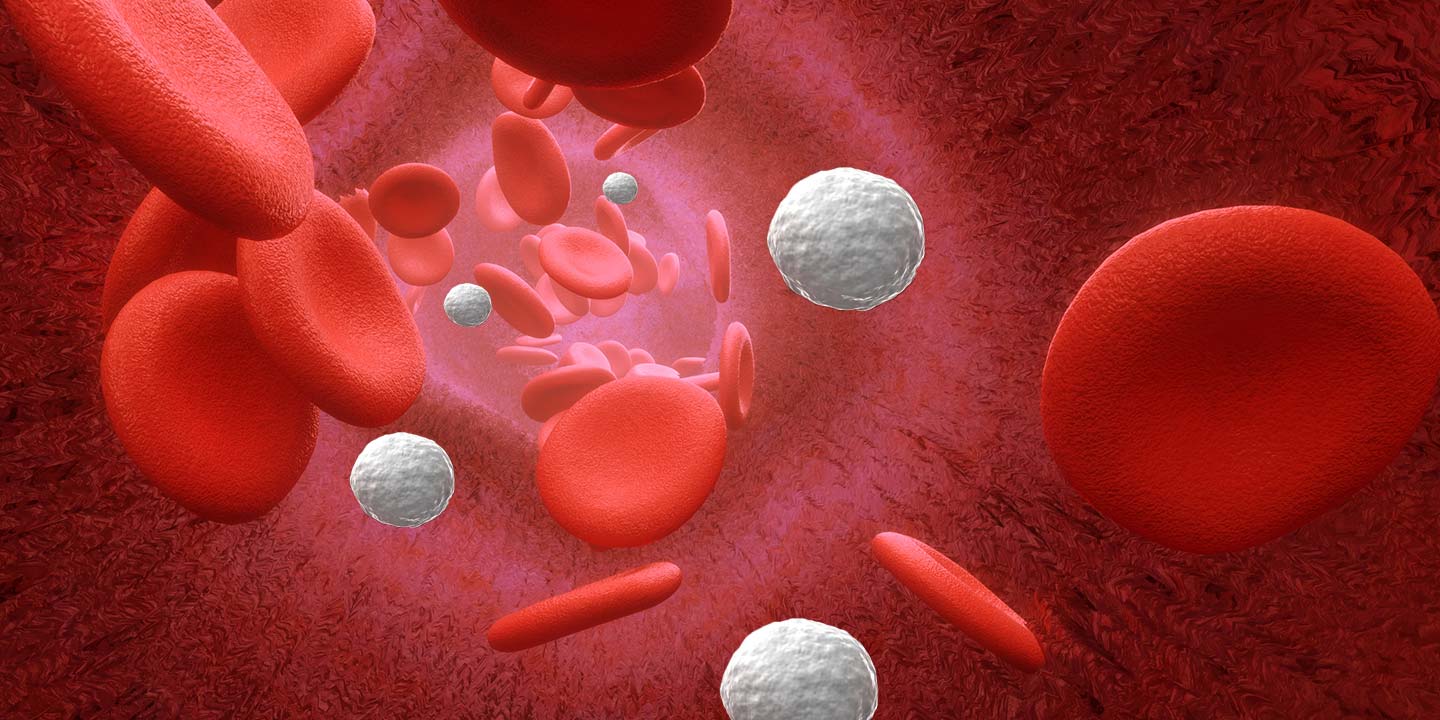
    What are White Blood Cells? White blood cells, also called leukocytes, are the fighting soldiers of your immune system. Also known as white blood corpuscles or leukocytes, these immune cells protect your body from infection and other diseases by fighting off unwanted foreign substances like bacteria and viruses.

    They do this by engulfing, digesting, and eliminating those invaders before they can make you sick. You've probably heard the old saying, an ounce of prevention is worth a pound of cure; white blood cells are the prevention part of that statement!

    1) Cut Down on Sugar

    The human body needs sugar, but only in small amounts. When you overeat sugar, your body starts producing insulin, which causes your blood sugar levels to drop rapidly. This can result in a low white blood cell count and other health problems. An excellent way to keep your white blood cell count high is by reducing the amount of sugar you consume daily.

    2) Exercise Regularly

    To maintain a healthy leukocyte count, you must ensure that you get enough exercise. If you are sedentary, your body will produce fewer hormones and other substances needed for producing white blood cells. In addition, this lack of activity can lead to weight gain and higher cholesterol levels. So get out there, go for a walk, or take on a new sport!

    1) Leukopenia is when the number of white blood cells drops lower than what is considered normal for someone's age and health condition.

    2) Low leukocytes (also called leukopenia) are often caused by chemotherapy or other medications that destroy cells in the bone marrow where white blood cells are made.

    3) Get Enough Sleep

    Sleeping is essential for the body; failing to get enough sleep can lead to a low white blood cell count. A low red and white blood cell count may be caused by viral infections, cancer, HIV/AIDS, or other conditions. The causes of leukopenia are not always clear, but one potential cause is chemotherapy treatments that affect white blood cells.

    Some people with leukopenia have symptoms like fever or sore throat, while others do not experience any noticeable signs at all. Those with the condition will typically undergo a wbc (white blood cell) blood test to measure how many white blood cells are in their system.

    4) Eat Plenty of Antioxidants

    White blood cells are cells that fight off infections in the body. They can check them with a simple blood test called a white blood cell count. If your white blood cells are low, infection or disease may present. To boost your wbc count, eat plenty of antioxidant-rich foods like blueberries and oranges, which support the production of healthy white blood cells.

    5) Stop Smoking (If You Do Smoke)

    Smoking is one of the leading causes of low white blood cells. Quitting smoking is the first step in boosting your wbc count and making your body stronger against illness and infection.

    If you are currently a smoker, make an appointment with your doctor today to discuss various methods of quitting. Stopping smoking will increase your wbc count, improve your quality of life, and make it easier for you to stay healthy.

    6) Add Essential Oils to Your Lifestyle

    While it's a good idea to be aware of your white blood cell count, it can be difficult to tell if the number is low without being tested. Here are some ways you can boost your white blood cells:

    1) Exercise regularly.

    2) Eat more nutritious food.

    3) Reduce stress in your life.

    4) Drink enough water each day (8-10 glasses).

    5) Get plenty of sleep (at least 7 hours per night).

    6) Consider taking a vitamin D supplement or eating more foods containing vitamin D (e.g., salmon, eggs, mushrooms).

    7) Add essential oils like cinnamon and cedarwood oil to your lifestyle!

    7) Take Supplements

    A low white blood cell count can lead to several health problems, so you must get the correct diagnosis and take the appropriate supplements. There are many causes of low white blood cells, including autoimmune diseases, kidney failure, and leukemia. It would help if you were diagnosed correctly to know which supplements will help boost your wbc levels.

    In addition, there are a few things you can do on your own with certain foods and lifestyle changes. We should include certain types of food such as garlic, ginger, green leafy vegetables (spinach), onions, and radishes in your diet because they may help increase WBC levels. You should also avoid smoking or drinking alcohol if you have low wbc levels because these could contribute to additional complications.

    Did you know that you can slow down the aging process naturally? With proper diet, nutrition, exercise, and other lifestyle habits, you can improve your overall health, look and feel younger, and slow the effects of aging on your body.

    Learn about 7 excellent tips to slow down the aging process naturally with this article.

    1) Drink Water

    The No. 1 strategy for slowing aging is to drink more Water! Your body doesn't just use it as a hydration tool. But Water also helps flush toxins out of your system and keeps you looking fresh.

    As we age, our skin becomes more delicate, so drinking plenty of Water helps maintain elasticity, smooths out fine lines and wrinkles, and even promotes collagen production, which maintains the structure and supports elastin production. Drink up!

    2) Eat Right

    A healthy diet is one of the best ways to fight age. Try a plant-based diet and avoid processed foods as much as possible. Foods high in antioxidants, like berries and green vegetables, can help your skin stay youthful.

    Limiting alcoholic beverages will also keep your skin looking fresh because alcohol can increase inflammation, which causes skin damage that looks like wrinkles. Exercise is another excellent way to slow down aging because it increases blood circulation, which helps get nutrients and oxygen delivered more efficiently throughout your body so it can work better. Plus, you'll feel better too!

    3) Practice Stress Management

    Stress management is essential for all of us, but it's especially crucial for seniors. Not only does stress cause aging skin, but it can also lead to heart disease, diabetes, and many other health problems.

    So what can you do? Well, there are many things! Try practicing some of these techniques: take up yoga or meditation; take long walks outside; give yourself something else to focus on when anxiety strikes (write out a list in your head); exercise.

    Talk to someone about how you're feeling; listen to music that calms you down. These should help make life easier and more enjoyable as we get older.

    4) Get Active

    Exercise regularly, eat a balanced diet and sleep well. These three things are essential for slowing down aging. In addition, wrinkle-fighting products such as moisturizers and serums can help keep your skin looking young and healthy. Sunscreen is also essential to slow down the aging process naturally.

    5) Sleep Well

    There are many ways that you can slow down aging by using a few simple lifestyle changes. One of the most effective ways is to get good sleep regularly.

    When you're sleeping, your body's natural repair processes work at their best, and your immune system will function at its optimum level. It is well-known that lack of sleep has a detrimental effect on health, so ensure you get enough quality sleep every night.

    6) Laugh Often

    Laugh often and try to find humor in every situation. Laughing helps keep stress levels down, which will help prevent wrinkles. 

    A healthy diet can also help slow down the aging process. Being well nourished means your body gets all the nutrients needed to function and fight disease. Eating a diet high in protein will keep your skin looking younger because it promotes collagen production, which keeps skin elastic and firm.

    Wearing sunscreen is another excellent way to slow aging and avoid sun damage. Make sure you apply at least SPF 30 sunscreen every day. Even if it's cloudy outside or if you're going for a walk around town, sunlight can penetrate through clouds.

    7) Stop Smoking Now!

    Smoking is known as one of the unhealthiest habits you can have. Not only does it harm your health, but it also harms your skin and causes premature aging.

    Smoking causes wrinkles on your skin, yellowed teeth, bad breath, and an increased risk for cancer. Quitting smoking now will improve your quality of life and slow down the aging process.

    Cut back on cigarettes gradually: To cut back gradually means to smoke fewer cigarettes than usual each day until you are not smoking anymore. If you smoke a pack a day, try cutting back by a cigarette or two each day, for example, for one week before quitting altogether.

    Informative Article: Are all Tesla cars made in the USA?

    Massage therapy can be highly effective in relieving pain from chronic injuries or general wear and tear on your body.

    But when should you get a massage? Find out in this guide how often to get a massage for pain relief and how long before and after your massage therapy session you should stay away from specific activities.

    You may have to experiment

    1 - Relaxation massage can help release stress. This will often give you the same physical benefits that you would find in a sports massage, but with less pressure on the body. This is an excellent option if your main goal is to take time out to relax and enjoy life without feeling like you have to do something productive all the time.

    2 - An open massage is best suited for people who struggle with issues such as chronic back pain and neck tension, sciatica, or carpal tunnel syndrome because they simultaneously apply pressure from multiple angles. As your muscles are stretched and kneaded, it can decrease muscular tension, which may be causing your pain.

    Is it worth buying a home massager?

    Massaging yourself may not seem the most intuitive idea, but investing in tools to help you heal and keep up with massage treatments is essential. The 3-in-1 massager is the perfect way to get relief at home.

    It comes with different attachments to use on all parts of your body. I've been using it on my neck and back area, where I spend too much time hunched over my computer, so these attachments have been excellent! The massager has enough power to give me a deep massage without hurting my muscles more than necessary.

    This set also comes with head and foot attachments, so you can use them in the car or bathtub!

    What is biofeedback, and how does it help with my health care?

    Biofeedback is an advanced way to measure, monitor, and treat symptoms. Symptoms are monitored through muscle tension, heart rate, and skin conductance. Muscle tension levels can be decreased when we breathe deeply and relax.

    A health massage provides this deep breathing and helps create a feeling of relaxation that biofeedback therapy will work with.

    What are some great benefits of massage therapy?

    Massage therapy can be used to help heal the body and the mind. There are many benefits to getting a massage, including reducing stress levels, promoting relaxation, relieving pain and muscle tension, and more.

    Some people find massage helpful in managing medical conditions such as asthma or arthritis. Others use it to recover from injuries such as whiplash or car accidents. And then some want to feel healthier and happier overall. The best way to see if massage suits you is by giving it a try!

    What types of massages will benefit you most?

    Do you have chronic pain from arthritis or a condition like chronic lower back pain? Then you should try massage therapy sports as it's one of the best treatments for these issues. What are massage therapy sports? Well, just like it sounds, this type is geared towards athletes to help them improve their craft.

    Yes, even athletes need some TLC! However, that's not the only type of massage that could benefit your situation. If relaxation is what you're looking for, then getting relaxing massage therapy will help reduce stress and promote general wellness in your body and mind.

    The muscle relaxation massage can also help those with muscle spasms or who have been injured feel tightness in the muscles throughout their body.

    Can the frequency depend on my age, weight, gender, or height?

    It's difficult to determine how often you should get a massage for pain because it can depend on various factors. It could depend on your age, weight, gender, or height. There are things like stress and everyday life that can put too much pressure on your muscles and cause pain in the long run.

    Massages can also help heal you, giving you more energy, balance, and flexibility and making it easier to focus your attention in one direction at a time. Regular massages can also do wonders regarding well-being massage therapy because they allow you to relax with reduced stress levels.

    Recover from injury or surgery more quickly or work through those aches and pains caused by overdoing it athletically.

    Which features do I need in my next home massager?

    There are many different massage types, such as pain, headaches, should, and athletic. There is also a variety of features that you may need, including some that specialize in particular conditions like stress massage or recovery massage.

    Another consideration is if you plan to use your massager outside the home (gym, spa) or only at home with an outlet. For those who want versatility and portability, we recommend an electrical cordless massager like the Body Back Buddy SE1210. This 12-volt unit has two attachments: The large pad can be used on any body part, and the small circular attachment on hard-to-reach spots like the neck and calves.

    Informative Article: 7 Ways to Avoid Paying Interest on Student Loans

    Donating an organ or tissue can potentially save the life of another person in need. Still, many people are afraid of the potential risks involved with organ donation and thus avoid the process altogether.

    However, the benefits of organ donation outweigh any possible risks, so if you've ever thought about making this wonderful gift, here's what you need to know about how to go about it.

    An introduction to organ donation

    Organ transplantation is an important medical process that has saved countless lives. Historically, there have been two significant sources of organs: living donations and cadaver donations.

    Living donations occur when a person donates an organ to someone they know, such as a relative or friend. Living donors can donate either one organ, such as a kidney, or both kidneys, but cannot donate part of their liver.

    Conversely, cadaveric donations occur when organs are donated by people who have died. Cadaveric donations usually come from brain-dead patients (also known as brain death) who will never wake up from their coma.

    What are the Benefits of Organ Donation?

    Organ donation is a severe issue for many people in our society. After reading about the benefits of organ donation, you may want to take action and explore your options. Here are some things you will learn: A living donor liver transplant can save one or two lives.

    Even though kidney transplants are usually only performed on recipients with kidney failure, a living donor kidney transplant could still be lifesaving. Other points to remember include that potential donors live their everyday lives with donated organs and can donate their organs while living or after death.

    If you know anyone who might need a new heart, lung, liver, or kidney, please share this blog post with them, so they know their options too!

    The process of becoming a donor

    The liver is one of your major organs and helps filter blood and control metabolism. People can live without a liver as long as they have some way to get their blood cleaned. Many risks can come with being a liver donor.

    But it's important to know what those risks are before deciding whether or not you want to donate. A kidney transplant donor doesn't need much care after donating their kidney. They need to rest for a few days until the swelling goes down and avoid lifting heavy things so that their newly-healed kidney doesn't get pulled off track again. 

    Heart donations also have pros and cons, but donating is still worth it because you're helping someone who needs your heartbeat for them to live.

    Things you can do right now

    It is easy to find out more about whether you can donate organs by simply typing living organ transplant donor or liver transplant donor into a search engine and finding your needs.

    Every year, roughly one hundred thousand people are waiting for a donated liver, but due to lack of awareness, only three thousand living liver donors are found. A person who donates their organs at death can save up to eight lives.

    How to decide what organs you want to donate

    If you're wondering what organs you can donate, think about if there is a specific type that you would like to give. You can select whether or not to donate your heart, lungs, liver, pancreas, stomach, intestines, and small intestines.

    Your doctor will help you fill out forms with what kind of organs you want to get donated and how many. One-half of all heart donors and one-quarter of all lung donors leave their names off the registration form so that family members can agree to save the parts too.

    Some people change their minds during donations because they initially wanted something different or because their families disagreed.

    How can you help someone in need?

    There are so many reasons to be a living donor. Not only do you save lives, but you also allow someone to live a fuller life. Plus, as one of your body's major organs, donating your liver is painless, and it's said that most patients recover fully in as little as six weeks.

    Informative Article: Can You Sue Doctors If Surgery Fails?

    Bad breath from the throat, medically known as halitosis, can be embarrassing and hard to deal with. This type of bad breath comes from the back of your mouth, and while its cause may vary, there are some simple home remedies you can use to get rid of it.

    1) Drink Mint Tea

    One of the most common causes of bad breath is plaque accumulating in your mouth. Many different remedies available are easy and safe for everyday use. Plain old-fashioned mint tea can be used as a bad breath treatment!

    Just brew some chamomile or peppermint tea with hot water, let it cool for about ten minutes, and then add 1-2 teaspoons of honey. The enzymes in the honey help break down the sugars in the food that lead to bad breath so that you can say goodbye for good!

    2) Use Mouthwash

    One way to eliminate bad breath is with mouthwash. Many different companies make products designed specifically for this. Two of the most popular are Listerine and Scope. Depending on your preference, these can be purchased at any store and come in many different flavors or scents.

    Listerine typically gets rid of more germs than Scope, but both will do the trick if you have bad breath in the morning or after a meal. Purchasing these products can help get rid of the odor of bad breath and give you peace of mind that you are less likely to offend anyone!

    3) Chew Fennel Seeds

    An easy way to fix bad breath is chewing on fennel seeds. Fennel seeds are a natural and long-lasting way to eliminate bad breath due to their high anti-bacterial properties. They will leave your mouth smelling fresh and feeling good too. You can find fennel seeds in any grocery store or on Amazon.

    2) Another excellent method for getting rid of bad breath is using some oxygenated toothpaste and dental floss, which will remove plaque and kill bacteria all at once. You can find this type of toothpaste at any drugstore or on Amazon as well.

    4) Use Alum

    One common cause of bad breath is poor dental hygiene. Consider starting a cleaning routine, making sure that your teeth are cleaned after every meal and drink. You can also rinse your mouth with water, but not while brushing or eating, as this may damage your tooth enamel.

    Alum will kill the odor-causing bacteria and return you fresh breath! Baking soda has a high pH balance that can help neutralize the odor-causing plaque on teeth. Just follow these steps:

     1) Brush your teeth (along with morning breath cure for bad breath) for two minutes with baking soda and warm water.

    2) Rinse your mouth and spill all excess water into the sink. It would help if you did not spit it in any other direction.

    5) Gargle with Salt Water

    Halitosis is caused by bacteria that lurks in the throat and mouth, a topic we all want to avoid. Halitosis can signify other oral health problems. So you must see your dentist for checkups. While you're in the waiting room or on your way out, pick up some salt packets at the drugstore and try one of these easy solutions:

    Step 1) Boil 4 cups of water with 4 tablespoons of salt until the salt dissolves. Fill a cup with boiling water and let it cool off enough that it's not scalding hot anymore.

    Step 2) Gargle mouthwash (for 15 seconds). It's simple but also highly effective when it comes to bad breath cures.

    6) Use Aperient Powder/Liquor ice/Black Tea

    Aperient Powder is a helpful home remedy for bad breath. Add a teaspoon of Powder to a cup of warm water and sip slowly. Liquor ice roots or black tea may also be helpful. If you have bad teeth, see your dentist as soon as possible.

    Stinky breath can also be caused by mouth breathing or allergies; in this case, gargling salt water or using over-the-counter allergy medications may help with the issue. Lastly, brush your tongue when it sticks out with toothpaste, and don't forget about regular brushing and flossing!

    7) Get Regular Dental Checkups

    If you tend to have throat problems, you should make it a point to get regular dental checkups. For one thing, tartar and plaque can build up in your mouth and trap bacteria which causes bad breath.

    There are many causes of bad breath, and the only way to find out is by consulting with a doctor or dentist and determining if an underlying problem needs treatment. Inadequate breath remedies such as chewing gum or brushing your teeth will only provide temporary relief since they cannot remove the cause of bad breath.

    8) Eat Healthy Snacks

    Munching on fresh apple or whole grain crackers may be just what you need. Unsweetened, dried fruit, such as apricots, is another excellent idea. If your dry mouth is due to chemotherapy or diabetes, speak with your health care provider about possible treatments and mouth rinses that might be available.

    Informative Article: Does Walmart Sell Fishing Licenses?

    How long does end-stage cancer last? The answer depends on the type of cancer, the stage of cancer, and the body part involved in the metastasis, among other factors. Some cancers have aggressive, fast-growing cells that require quick treatment.

    Other cancers may be slow-growing and don’t require immediate treatment but may eventually turn into end-stage cancer if they aren’t treated sooner rather than later. Here’s an overview of what to expect when facing an end-stage cancer diagnosis and a timeline of end-stage cancer symptoms and how long they last.

    Early Stage End of Life Cancer

    It can be difficult to know what symptoms to expect during the final days of life. Cancer symptoms will vary depending on where in the body cancer has spread. Advanced cancer will require you to discuss these questions with your doctor before treatment so that you are informed about what to expect.

    It is important for family members or caregivers of an advanced cancer patient to understand how end-stage cancer affects a person because it helps them offer the best possible care. To provide good care, it is also important for family members or caregivers for an advanced health care provider who understands this progression of symptoms but does not have firsthand experience caring for a person with terminal cancer from initial diagnosis through the last days of life.

    Advanced Stage End of Life Cancer

    Starting from six months before the end of life to the final weeks, a cancer person may experience the following symptoms:

    Dramatic weight loss can occur. This is caused by many things like an increase in food intake difficulties (due to oral or throat issues), decreased appetite due to depression, other illnesses, or side effects of medications.

    Other reasons for weight loss include increased production of ketones (which are produced as an alternate fuel when there isn't enough sugar) and the use of ketone-producing foods like artificial sweeteners.

    Late Stage End of Life Cancer

    When cancer has spread to the point where it can no longer be treated, a person may have several late-stage end-of-life cancer symptoms. These symptoms might vary from one person to another.

    Common last days of life symptoms of cancer include loss of appetite, fever, night sweats, significant weight loss, and feeling as if you are suffocating. If a person with cancer experiences any of these symptoms or their condition worsens, they should call their doctor immediately or go to the hospital emergency room.

    Home Care Services to Help You Cope

    There are a lot of end-stage cancer symptoms to cope with as you enter the final weeks. You may need help from home care services to do this, which is why it's important to find cancer help now.

    Hospice workers can give patients their medication, prepare them for bedtime, provide personal care (showers, grooming), light housekeeping, laundry, and more. This can relieve stress on family members who don't have time to take care of everything at home while also managing work responsibilities.

    Furthermore, hospice professionals can also visit patients during their last days. There are many options in Lahore online pharmacy where you can buy medicine cheap online pharmacy that doesn't require prescriptions.

    Signs of approaching death

    With end-stage cancer, the final weeks are likely to be very painful as pain medications wear off. Signs of approaching death include: weakening cough reflex; decreased awareness of the environment; withdrawing from family members; when closing their eyes (less than one minute) respirations decrease or stop.

    Informative Article: 8 Alternatives to Filling Cavities in Baby Teeth

    When we think of good nutrition, the first thing that comes to mind may be adults and how they should eat to maintain good health. However, that's not necessarily true, as children need good nutrition just as much as adults do.

    They need it even more since they're still growing and developing their bodies. Fortunately, there are plenty of ways you can keep your children healthy by providing them with good nutrition at home or school.

    1) Promotes Normal Physical Growth

    A healthy, nutritious diet helps children grow to their genetic potential. With the proper nutrition, children will have the energy they need to run and play and do all the things other kids are doing. It also means that they will be better prepared for success in school.

    A nutritious diet helps children grow a robust immune system, which helps them fight illness or infection; reduces stress on the heart and lungs; lowers blood pressure; strengthens bones and joints; clears skin conditions; increases the efficiency of the brain and nerves.

    Without good nutrition, it's hard for a child to build an educated mind or any meaningful life beyond short-term survival.

    2) Helps Prevent Disease

    Proper nutrition helps prevent disease in children. It can also make them stronger and more energetic. We look at the importance of child health and nutrition with seven reasons why good nutrition is essential for children.


    #1 Nutrition promotes brain development at various stages; significant developments occur in a child's brain due to nutritional intake.

    #2 Eating habits are developed It may not seem like it, but many eating habits are developed during childhood which will likely continue into adulthood. The best way to form healthy eating habits is by providing a healthy diet during childhood.

    3) Protects Against Harmful Substances

    #1. Healthy nutrition protects against harmful substances in the environment. For example, eating healthy prevents children from breathing in secondhand smoke and improves their immunity to diseases.

    2# Healthy nutrition also helps reduce a child's risk of developmental delays or other physical problems caused by being undernourished and uncoordinated at an early age.

    3# Proper nutrition may also lead to more self-confidence, better concentration, and enjoyment in school.

    4# Giving children healthy food will help them become stronger faster because they will not have constant stomach aches from being hungry or feeling ill from eating unhealthy fats and sugar.

    4) Helps with Brain Development

    Undernutrition can harm a child's brain development and growth and cause an increase in the likelihood of other medical problems such as anemia or under-active thyroid.

    A healthy diet with the right type of foods and the right amount of calories, proteins, vitamins, and minerals can help enhance brain development, which will help them think well and have more concentration when they go to school. They may also have a healthier body weight due to this good nutrition.

    When children eat healthy food, they are often more alert during daily activities like school or playing with friends. Healthy food gives them the energy they need to succeed in their daily tasks at school or during playtime with friends!

    5) Improves Immune System

    A healthy diet improves immunity, aids digestion, promotes better sleep, and decreases the risk of chronic diseases. Proper nutrition also helps children maintain their weight and improve sports performance. Feeding children nutritious food helps to set them up for a healthier future.

    6) Aids in Proper Digestion

    Along with getting enough protein, a child's diet should also consist of foods rich in fiber and nutrients to help proper aid digestion. Eating a variety of whole grains, vegetables, fruits, legumes, and other sources of dietary fiber can also be beneficial as they help keep digestive systems running smoothly.

    A healthy diet will help kids absorb the nutrients they need to grow healthy and always remember to body health checkup after 2 month. There are many different benefits to choosing healthy food over junk food. Some children have diets that include processed foods and sugars, resulting in them becoming sick and malnourished.

    A pediatrician will warn about the importance of childhood nutrition at every visit; it starts with baby steps such as drinking water first thing in the morning or eliminating junk food from their diet altogether.

    7) Enhances Energy Levels

    Improving your children's nutrition will also improve their energy levels. Without proper nutrition, our bodies can't function properly and become more susceptible to illness. A proper diet leads to more efficient energy levels and healthier, more robust immune systems.

    A diet high in sugar and carbs may temporarily boost energy levels due to increased blood sugar, but the burst of energy will be short-lived. Over time, eating unhealthy foods like this will lead to chronic fatigue and physical weakness.

    Eating healthy foods throughout the day provides your body with the nutrients it needs, which is much better than consuming a quick fix from junk food now and then.

    Informative Article: 9 Smart Hacks to Make University Assignments

    Newer Posts Older Posts Home

    ABOUT ME

    Health Care Tips are the worlds best latest Information provider regard Health

    SUBSCRIBE & FOLLOW

    POPULAR POSTS

    • How to Maintain Good Eye Health and Prevent Vision Impairment and Blindness
    • The Horrifying Effects of Air Pollution on Human Health
    • How to Heal Cracked Heels with Home Remedies
    • 8 Helpful Tips to Maximize Your CoolSculpting Results
    • Preventing cardiovascular disease
    • 7 Reasons Why You Need a Consistent Sleep Schedule
    • Complete Blood Count Lab Test
    • What Causes Adult Acne?
    • Why You Should Get Allergy Blood Tests Done at the Lab
    • Degenerative Disc Disease is the Cause of Sciatica
    Powered by Blogger

    Related Links

    • Instacare Blogs
    • Best Gynecologist in Pakistan
    • Best Dermatologist in Pakistan
    • Chughtai Lab Test Price and Details
    • Essa Lab Test Price and Details
    • Excel Labs Test Price and Details
    • Online Store

    Distributed By Gooyaabi | Designed by OddThemes